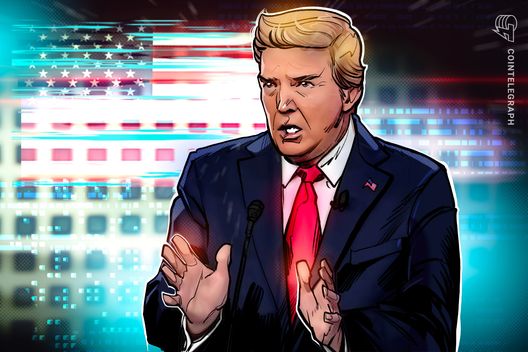
In a surprising and potentially pivotal intervention, Donald Trump has thrown his considerable weight behind the crypto industry, publicly admonishing banking groups for their role in stalling a key digital asset bill. His unequivocal statement urging banks to “make a good deal” with the crypto sector and declaring the undermining of the ‘GENIUS Act’ “unacceptable” marks a significant moment in the ongoing battle for regulatory clarity and mainstream acceptance of cryptocurrencies in the United States.
For years, the crypto industry has navigated a complex and often hostile regulatory landscape, with traditional financial institutions frequently perceived as reluctant participants or even outright adversaries. Trump’s latest remarks, delivered with characteristic directness, represent a powerful political endorsement that could force a recalibration of strategies within both the banking sector and the corridors of power.
The ‘GENIUS Act,’ while not explicitly detailed in the public domain, is widely understood within industry circles to be a legislative effort aimed at fostering innovation and providing a clearer regulatory framework for digital assets. Its stalling by banking lobbies suggests a deep-seated resistance from traditional finance, likely driven by a combination of factors: competitive fears, perceived risks associated with a nascent asset class, and a desire to maintain the status quo where they hold significant advantage. Banks, accustomed to a highly regulated environment, often cite concerns around anti-money laundering (AML), know-your-customer (KYC) requirements, and systemic stability when expressing reservations about fully integrating crypto.
Trump’s intervention, however, shifts the narrative dramatically. His condemnation of efforts to undermine the GENIUS Act sends a clear message: political will is building to bridge the divide between traditional finance and the digital asset economy. This isn’t merely a casual comment; it’s a strategic move that reflects a growing understanding of crypto’s burgeoning influence and its expanding voter base. While Trump has previously expressed skepticism about cryptocurrencies, his recent pivot, including accepting crypto donations for his campaign, underscores a pragmatic recognition of the industry’s economic and political power.
From an analytical perspective, this development carries several profound implications. Firstly, it provides a much-needed political tailwind for the crypto industry. The backing of a prominent political figure, especially one with a strong populist appeal, can accelerate legislative efforts and lend an air of legitimacy that has often been elusive. For startups and established crypto firms alike, clearer regulatory pathways and improved access to traditional banking services – currently a significant hurdle – could unlock massive growth potential.
Secondly, it puts the banking sector on notice. Trump’s call to “make a good deal” suggests that continued obstructionism may no longer be politically tenable. Banks might now face increased pressure from policymakers and even their own customers to adapt to the evolving financial landscape. This could catalyze a shift from reactive resistance to proactive engagement, potentially leading to the development of tailored banking services for crypto businesses, clearer stablecoin frameworks, and perhaps even direct offerings of digital asset products.
Thirdly, this move hints at the increasing politicization of cryptocurrency. With the upcoming presidential election, both parties are keenly aware of the growing number of crypto holders and enthusiasts who represent a potent voting bloc. Trump’s stance could force other political figures to articulate their positions more clearly, potentially leading to a more comprehensive and bipartisan debate on crypto regulation rather than a piecemeal approach driven by individual agencies.
The challenge, of course, lies in translating political rhetoric into tangible legislative action. The legislative process is notoriously slow and susceptible to lobbying efforts. Even with Trump’s urging, securing bipartisan consensus on complex financial legislation remains a formidable task. Details of the GENIUS Act, should it gain renewed momentum, will need careful scrutiny to ensure it strikes a balance between innovation, consumer protection, and financial stability.
Moreover, the concept of a “good deal” is subjective. What constitutes a fair compromise between the agile, decentralized ethos of crypto and the risk-averse, highly regulated structure of traditional banking will be a subject of intense negotiation. The crypto industry will likely push for light-touch regulation that fosters innovation, while banks will prioritize risk mitigation and compliance clarity.
In conclusion, Donald Trump’s sharp rebuke to banking groups over the stalled crypto bill is far more than a passing comment; it is a declaration of intent that could significantly alter the trajectory of cryptocurrency adoption and regulation in the US. By championing the GENIUS Act and urging collaboration, Trump has positioned himself as a potential ally to the digital asset community, sending a powerful signal to both Wall Street and Washington: the era of crypto marginalization may be drawing to a close. The coming months will reveal whether this political intervention is enough to break the legislative deadlock and usher in a new era of cooperation between finance’s old guard and its digital disruptors.