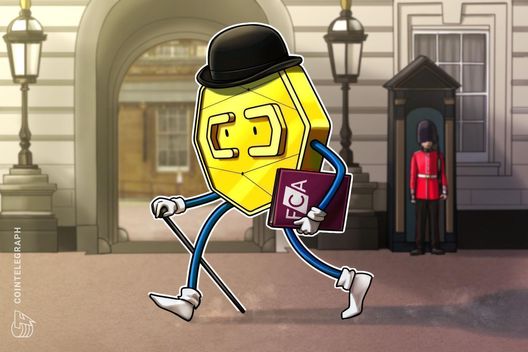
A recent report by the Financial Times has cast a significant spotlight on Trading 212, alleging that the popular retail brokerage allowed UK customers to trade crypto Exchange Traded Notes (ETNs) without the necessary regulatory approval from the Financial Conduct Authority (FCA). This revelation comes at a critical juncture, particularly as the FCA has underscored its intent to formally stress the importance of correct permissions and strict adherence to marketing and consumer protection rules for crypto ETNs by October 2025.
As a Senior Crypto Analyst, this development raises profound questions regarding investor protection, regulatory compliance, and the evolving landscape of digital asset offerings within the UK. The alleged actions by Trading 212, if confirmed, highlight a potential gap in current enforcement or a deliberate push into a regulatory grey area, with serious implications for the broader market and individual investors.
**Understanding Crypto ETNs and Their Risks**
Crypto ETNs are financial instruments that track the performance of a single cryptocurrency or a basket of cryptocurrencies. Unlike direct crypto holdings, ETNs are traded on traditional exchanges, offering investors exposure to digital assets without the complexities of self-custody. However, they are inherently complex and high-risk products, often subject to the extreme volatility of the underlying crypto market, alongside potential counterparty and liquidity risks associated with the issuer. For retail investors, who may lack the sophisticated understanding required to navigate these instruments, the risks are amplified, making regulatory oversight paramount.
**The FCA’s Stance: A Clear Path, Yet Unheeded?**
The UK’s Financial Conduct Authority has consistently adopted a cautious, if not restrictive, approach to retail access to high-risk crypto investments. Since January 2021, the FCA has banned the sale of crypto derivatives (including ETNs that function similarly) to retail consumers, citing concerns over suitability, market abuse, and the potential for significant consumer harm. While the specific legal nuances surrounding ‘unapproved’ ETNs might differ from outright banned derivatives, the spirit of the FCA’s mandate is unequivocally geared towards safeguarding retail investors from overly complex and volatile products.
The source context explicitly states that by October 2025, the FCA will formally ‘stress that companies must hold the correct permissions and comply with strict marketing and consumer protection rules before offering crypto ETNs.’ This forward-looking warning, even if yet to be officially enacted, clearly signposts the regulator’s long-term intention and its expectation for firms to operate within clearly defined boundaries. Trading 212’s alleged actions, therefore, appear to pre-empt or disregard this impending regulatory clarification, operating in a manner that could be deemed out of step with the FCA’s supervisory philosophy.
**The Allegations Against Trading 212**
The FT’s report suggests that Trading 212 allowed UK retail investors to trade crypto ETNs without securing specific FCA approval. This isn’t merely a technicality; it strikes at the core of investor protection. Obtaining FCA approval for such products involves rigorous due diligence, transparent risk disclosures, robust suitability assessments, and adherence to strict marketing guidelines. By allegedly bypassing these requirements, Trading 212 may have inadvertently exposed its retail client base to products without the customary regulatory safeguards designed to ensure they understand the risks involved and are suitable for such investments.
Operating without explicit regulatory permission for these types of instruments creates a significant risk vacuum. Investors trading these ETNs via Trading 212 under such circumstances might find themselves without the full range of protections afforded by the UK’s financial services compensation scheme (FSCS) or the Financial Ombudsman Service (FOS) if the product itself was offered without proper authorization. This raises serious questions about the firm’s internal compliance protocols and its interpretation of existing and forthcoming regulatory guidelines.
**Consumer Protection: The Foremost Concern**
From a consumer protection standpoint, the allegations are deeply troubling. Retail investors, particularly those new to the complexities of digital assets, rely on regulated platforms to act as gatekeepers, ensuring that products offered meet stringent safety and disclosure standards. Without FCA approval, there’s a heightened risk of:
1. **Inadequate Risk Disclosure**: Investors might not have received comprehensive, regulator-approved warnings about the extreme volatility and potential for total capital loss associated with crypto ETNs.
2. **Lack of Suitability Assessments**: Firms offering complex products are typically required to assess if the product is suitable for the individual investor’s financial situation and risk tolerance. Operating without approval could mean these critical checks were either absent or insufficient.
3. **Misleading Marketing**: Unregulated offerings are prone to more aggressive or less balanced marketing, potentially enticing retail investors who are ill-equipped to handle the risks.
4. **Limited Recourse**: If something goes wrong, the avenues for compensation or complaint resolution might be severely limited compared to a fully regulated offering.
**Broader Market Implications and Regulatory Response**
This situation has far-reaching implications. Firstly, it could invite a swift and stern response from the FCA, potentially including investigations, significant fines, and operational restrictions for Trading 212. The regulator has a strong track record of penalizing firms that fail to uphold compliance standards, especially where retail investors are at risk.
Secondly, it serves as a stark warning to other brokerage firms and fintech platforms operating in the rapidly evolving crypto space. The FCA’s upcoming emphasis in October 2025 signals a tightening of the regulatory environment, and firms engaging in similar practices could face intense scrutiny. This incident could accelerate the FCA’s efforts to clarify and enforce rules around crypto asset offerings to retail investors, potentially leading to more restrictive frameworks or clearer mandates for compliance.
Ultimately, incidents like this can erode public trust in regulated investment platforms and the broader crypto ecosystem. For the nascent digital asset industry to achieve mainstream acceptance, strict adherence to regulatory norms and an unwavering commitment to investor protection are non-negotiable.
**Conclusion**
The allegations against Trading 212 regarding the unauthorized trading of crypto ETNs highlight the perennial tension between financial innovation and regulatory oversight. While platforms strive to offer diverse investment opportunities, the paramount responsibility lies in ensuring these offerings comply with existing regulations and, critically, protect retail investors from undue harm. As the FCA prepares to issue its formal stress on permissions and consumer protection by October 2025, this case serves as a powerful reminder: the regulatory tide is turning, and firms operating in the crypto space must navigate these waters with utmost caution, transparency, and a steadfast commitment to compliance.