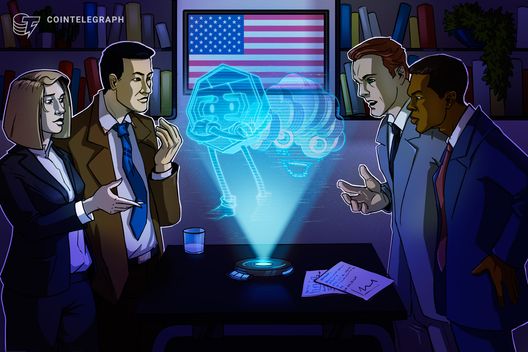
The nascent but rapidly evolving digital asset industry finds itself at a critical juncture, navigating a complex political landscape where ambition clashes with public sentiment. A recent Politico poll reveals a striking reality: most Americans harbor significant distrust towards both cryptocurrency and artificial intelligence. This widespread skepticism casts a long shadow over the crypto industry’s aggressive foray into U.S. politics, particularly its substantial investment in Super PACs ahead of the crucial midterm elections. As industry titans pour millions into supporting crypto-friendly candidates, a looming question emerges: could this political spending paradoxically backfire, triggering a voter backlash against candidates perceived as aligning with a deeply distrusted sector?
The Politico poll’s findings are a stark reminder of the uphill battle crypto faces in establishing mainstream legitimacy. While AI’s distrust might stem from concerns about job displacement and ethical dilemmas, crypto’s image problem is multifaceted. It’s heavily influenced by a tumultuous period marked by high-profile collapses like FTX and Terra/Luna, widespread scams, persistent market volatility, and a perceived lack of robust regulatory oversight. For many Americans, cryptocurrency isn’t seen as a revolutionary financial technology but rather a speculative gamble, a haven for illicit activities, or simply too complex and risky to engage with. This perception gap is a significant barrier to widespread adoption and integration into the conventional financial system. When the average person hears “crypto,” the first thoughts are often “scam,” “risky,” or “I don’t understand it,” rather than “innovation” or “financial freedom.” This trust deficit is not merely an inconvenience; it represents a fundamental challenge to the industry’s future growth and its ability to advocate for favorable policy.
Despite this public skepticism, the crypto industry’s political spending has scaled dramatically. Super PACs like Fairshake and Protect Progress, largely funded by major players such as Ripple, Coinbase, and Andreessen Horowitz, have collectively amassed tens of millions of dollars. Their explicit goal is to elect politicians who understand and support the development of a clear regulatory framework for digital assets, aiming to foster innovation within the U.S. rather than pushing it overseas. This strategy is a testament to the industry’s maturation, recognizing that lobbying and political engagement are crucial for its long-term viability. The hope is that by backing candidates sympathetic to the crypto cause, the industry can proactively shape legislation, prevent overly restrictive rules, and ultimately create a more stable and predictable environment for growth. This is a common play for any burgeoning industry looking to secure its future.
However, the Politico poll introduces a critical variable into this political equation: the electorate. While industry leaders and their PACs operate on the premise that their funding will translate into political influence, the public’s overwhelming distrust poses a direct threat to this strategy. Will voters perceive candidates supported by crypto Super PACs as champions of innovation, or as being beholden to “special interests” of a highly suspect industry? In tightly contested races, even a marginal swing of public opinion could be decisive. Candidates eager to distance themselves from unpopular associations might find it strategically advantageous to highlight their opponent’s crypto funding, framing it as a compromise of public trust for corporate dollars. This isn’t merely about policy; it’s about optics and the emotional resonance of an issue. If “crypto-backed” becomes a political pejorative, the industry’s substantial investment could inadvertently become a liability for its chosen candidates.
Should this public distrust solidify and translate into political headwinds, the implications for the crypto industry would be profound. Firstly, regulators, feeling empowered by public sentiment, might lean towards more stringent, protective measures rather than fostering a flexible, innovation-friendly environment. The narrative of “consumer protection” would gain significant traction, potentially leading to tougher licensing requirements, stricter oversight of decentralized finance (DeFi), and even outright bans on certain activities or assets. Secondly, mainstream adoption would continue to stagnate. If the public remains wary, financial institutions will be hesitant to offer crypto products, and retail investors will stay on the sidelines, limiting the market’s expansion beyond its existing enthusiast base. Lastly, the industry’s struggle for legitimacy would intensify, making it harder to attract top talent, secure traditional financing, and convince corporations of the value proposition of blockchain technology.
For the crypto industry, the Politico poll serves as a critical wake-up call. Political spending alone, while necessary, is insufficient to secure its future. A fundamental shift in strategy is required, one that prioritizes rebuilding public trust. This means moving beyond speculative narratives and focusing on the tangible, real-world utility of blockchain technology – whether it’s enhancing supply chain transparency, facilitating cheaper remittances, or enabling new forms of digital ownership. It demands greater transparency within projects, robust self-regulation to combat scams and illicit activities, and a concerted effort towards educating the public in accessible language about the technology’s benefits and risks. Engagement with policymakers should not solely be about lobbying, but about constructive dialogue that acknowledges public concerns and proposes viable solutions. The industry must actively work to transform its image from one of speculative excess to one of responsible innovation.
The tension between the crypto industry’s ambitious political play and the American public’s deep-seated distrust marks a pivotal moment. The influx of Super PAC funding signals the industry’s determination to shape its regulatory destiny, yet the lingering skepticism highlighted by the Politico poll suggests a potential misalignment with voter sentiment. The path forward for crypto is not merely through political donations but through a genuine commitment to transparency, consumer protection, and demonstrable societal value. Failing to bridge this perception gap risks not only the success of industry-backed candidates but also the long-term viability and mainstream acceptance of the digital asset ecosystem itself. The midterms will not just be a test for politicians, but a crucial barometer for crypto’s political maturity and its ability to win over the hearts and minds of the American public.