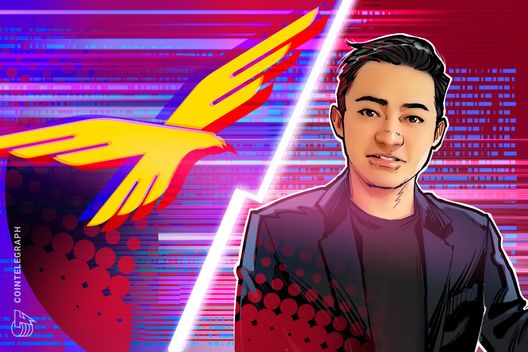
The volatile world of cryptocurrency has once again become a legal battleground, with prominent figure Justin Sun, founder of Tron and a key personality in various crypto ventures, finding himself at the center of a new, high-stakes lawsuit. World Liberty Financial (WLF) has filed a complaint accusing Sun of engaging in a coordinated campaign of defamation and market manipulation concerning its WLFI token, alleging tactics that range from public disparagement to active shorting and orchestrating illicit ‘straw sales.’ This dispute, far from being an isolated incident, casts a harsh spotlight on the murky ethical waters of crypto influencer behavior and the escalating demand for accountability in the digital asset space.
At the heart of World Liberty Financial’s claims are allegations that Justin Sun not only engaged in defamatory tactics designed to undermine the WLFI token but also actively participated in market manipulation schemes. Specifically, WLF asserts that Sun shorted the WLFI token — a common trading strategy that profits from a price decline — while simultaneously conducting ‘straw sales’ on behalf of others. More alarmingly, the lawsuit contends that Sun’s actions effectively ‘prohibited token transfers,’ a severe accusation implying either direct technical control or immense influence capable of freezing legitimate trading activity.
From a senior crypto analyst’s perspective, these allegations are multifaceted and strike at core tenets of market integrity and investor protection. The defamation claim, for instance, raises critical questions about the power of public figures and influencers in shaping market sentiment. In an industry where a single tweet or public statement can trigger seismic price shifts, the line between legitimate criticism and malicious disparagement is often blurred. If WLF can successfully demonstrate that Sun’s alleged defamatory remarks were intentionally false and caused material damage to the WLFI token and its ecosystem, it could set a significant precedent for holding crypto personalities accountable for their public pronouncements. The challenge, however, lies in proving intent and quantifying damages in a globally distributed, often pseudonymous environment where information spreads instantaneously.
Even more concerning are the allegations of direct market manipulation. Shorting a token is a standard, albeit risky, trading practice. However, when combined with alleged defamation and ‘straw sales,’ it paints a picture of a calculated scheme to profit from a manufactured downturn. Straw sales typically involve using intermediaries or multiple accounts to obscure the true identity of buyers or sellers, often employed to create artificial trading volume, manipulate prices, or bypass regulatory scrutiny. In the context of shorting, such activities could be used to amplify negative price pressure, making the token appear weaker than it might organically be, thereby maximizing profits from the short position. This kind of coordinated ‘fud-and-dump’ strategy, where negative sentiment is artificially generated to depress prices before profiting from a short, is a serious violation of market ethics.
The most technically challenging and severe accusation is that Sun ‘prohibited token transfers.’ This claim, if proven true, would suggest an extraordinary level of control or influence. How could an individual, even one as prominent as Justin Sun, unilaterally halt or prohibit transfers of a decentralized token? Possible scenarios could include leveraging significant stakes to influence exchange decisions, exploiting vulnerabilities in the token’s smart contract, or orchestrating a widespread fear campaign that effectively halts legitimate trading by making market participants unwilling or unable to transact. If this implies Sun had administrative control over the WLFI smart contract, it would raise profound questions about the project’s decentralization claims and security. More plausibly, it could refer to his actions leading major exchanges or liquidity providers to freeze WLFI trading due to alleged fraudulent activity, thereby achieving a de facto prohibition on transfers. The specifics of how this ‘prohibition’ was achieved will be crucial to WLF’s case and will undoubtedly attract intense scrutiny from the broader crypto community.
This lawsuit unfolds against a backdrop of increasing regulatory scrutiny worldwide, particularly concerning market manipulation and the actions of powerful individuals within the crypto space. Jurisdictions are grappling with how to apply traditional financial laws to novel digital assets and decentralized ecosystems. The outcome of the World Liberty Financial vs. Justin Sun case could serve as a bellwether for future crypto litigation, particularly regarding influencer liability, the scope of market manipulation, and the enforceability of claims in a cross-border digital economy. It underscores the urgent need for greater transparency and ethical conduct, not just from projects themselves but also from the influential figures who shape public perception and market dynamics.
Ultimately, this legal saga is more than just a dispute between two entities; it’s a test case for accountability in the crypto world. As the industry matures, the tolerance for alleged manipulative tactics and unchecked power is diminishing. Investors, regulators, and legitimate projects alike are demanding a level playing field. Whether World Liberty Financial can successfully navigate the complexities of proving defamation and sophisticated market manipulation against a well-resourced figure like Justin Sun remains to be seen. However, the very act of filing such a comprehensive lawsuit signals a hardening stance against practices that threaten the integrity and long-term viability of the digital asset economy.