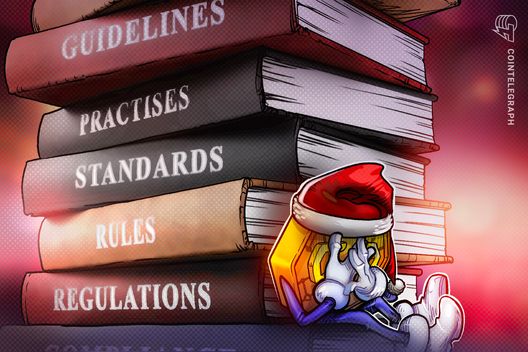
As a Senior Crypto Analyst, I’ve witnessed countless shifts in the digital asset landscape. But 2026 is poised to be different – a watershed moment that will fundamentally redefine how we interact with cryptocurrencies. The era of regulatory ambiguity is drawing to a close, giving way to a structured, policy-driven environment that will impact every user, from the seasoned investor to the curious newcomer.
For years, the crypto market operated in a legal grey zone in many jurisdictions, fostering both explosive innovation and, at times, significant risk. However, 2026 marks a pivotal turning point. Around the globe, major economies and influential blocs are no longer just observing; they are actively implementing comprehensive policy frameworks for crypto and, crucially, stablecoins. This isn’t merely a reactive measure; it’s a recognition of the crypto market’s maturation, its growing systemic relevance, and the urgent need to protect consumers, prevent illicit financing, and maintain financial stability.
The impetus for this global regulatory convergence stems from several factors: the substantial increase in institutional adoption, the lessons learned from past market volatility and insolvencies, and the consistent calls from international bodies like the G20 and the Financial Action Task Force (FATF) for harmonized standards. The overarching goal is clear: to integrate digital assets more seamlessly into the traditional financial system while mitigating inherent risks. This means a concerted global effort focusing on areas such as Anti-Money Laundering (AML) and Counter-Financing of Terrorism (CFT) compliance, market integrity, consumer protection, and the prudential oversight of service providers.
**Stablecoins: The Epicenter of Regulatory Attention**
Perhaps no segment of the crypto market is experiencing a more profound regulatory overhaul than stablecoins. Historically seen as the ‘safe haven’ within crypto, offering price stability against fiat currencies, their stability has come under scrutiny. In 2026, we are seeing the implementation of frameworks demanding robust reserve requirements, regular independent audits, clear redemption rights, and stringent licensing for issuers. The EU’s Markets in Crypto-Assets (MiCA) regulation, for example, is setting a global precedent for how stablecoins (or ‘e-money tokens’ and ‘asset-referenced tokens’ under MiCA’s parlance) must operate, including capital requirements and strict operational guidelines.
For users, this means a significant increase in the reliability and transparency of compliant stablecoins. The days of opaque reserves or questionable backing are rapidly fading. While this enhanced scrutiny promises greater safety and fosters confidence, it also implies a degree of centralization and oversight that some within the crypto community may find antithetical to decentralized ideals. Understanding the specific regulatory framework under which a stablecoin issuer operates, and their transparency reports, will be paramount.
**Broader Crypto Assets: A New Operating Environment**
Beyond stablecoins, the broader crypto asset market, encompassing giants like Bitcoin and Ethereum, will also operate under a newly defined regulatory umbrella. Cryptocurrency exchanges and custodians are increasingly required to obtain specific licenses, adhere to strict KYC (Know Your Customer) and AML protocols, and implement sophisticated cybersecurity measures. This ensures a higher standard of operational integrity and user fund protection. While this might lead to more friction in onboarding processes and potentially limit the services offered by certain unregulated entities, it’s a necessary step towards legitimacy and broader institutional participation.
Moreover, activities like staking, lending, and Decentralized Finance (DeFi) are also under the regulatory microscope. While the decentralized nature of DeFi presents unique challenges for regulators, expect continued efforts to identify points of control or centralized intermediaries that can be brought under regulatory purview. The emergence of spot Bitcoin ETFs in various jurisdictions is a testament to the positive impact of regulatory clarity, paving the way for more traditional investors to gain exposure to digital assets through regulated financial products.
**Your Due Diligence Checklist for Crypto in 2026**
As a crypto investor in 2026, your approach must evolve. Here’s what you absolutely need to know:
1. **Jurisdiction Matters**: Always verify the specific crypto regulations in your country or region. What’s legal and compliant in one jurisdiction might not be in another. Cross-border transactions are increasingly scrutinized.
2. **Choose Regulated Platforms**: Prioritize exchanges, wallets, and service providers that are licensed and explicitly compliant with established regulatory frameworks. Look for transparency regarding their legal standing and operational standards.
3. **Stablecoin Scrutiny**: Before acquiring any stablecoin, conduct thorough research. Examine its issuer’s regulatory compliance, public audit reports, and the nature of its reserve assets. Demand transparency.
4. **Understand Tax Implications**: With clearer regulatory frameworks come clearer tax obligations. Be prepared to report all crypto-related gains, income (from staking, lending, etc.), and losses to relevant tax authorities. Tax compliance tools are becoming essential.
5. **DeFi and Self-Custody Awareness**: If you venture into DeFi or choose self-custody, be acutely aware of the heightened personal responsibility. While some areas of DeFi remain permissionless, regulators are actively exploring how to address risks related to smart contract vulnerabilities, market manipulation, and consumer protection within these ecosystems.
6. **Read Risk Disclosures**: Regulations are forcing platforms to provide clearer and more comprehensive risk disclosures. Don’t skip them; understand the risks associated with each asset and service you engage with.
**Opportunities and Challenges Ahead**
This regulatory evolution, while introducing new complexities, also heralds significant opportunities. Increased clarity fosters greater mainstream adoption, attracts more institutional capital, and can significantly reduce the prevalence of scams and illicit activities, ultimately leading to a more secure and trusted market. It paves the way for greater financial innovation within a defined boundary, allowing projects to build with long-term stability in mind.
However, challenges remain. We may see market fragmentation if regulatory approaches diverge too widely across jurisdictions, increased compliance costs for businesses that could be passed on to users, and potential concerns regarding privacy as KYC/AML measures become more pervasive. Striking the right balance between innovation and regulation will be a continuous tightrope walk for policymakers.
In conclusion, 2026 marks the dawn of a new era for cryptocurrencies. The shift from a largely unregulated wild west to a more structured, policy-driven landscape is inevitable and, ultimately, beneficial for the long-term health and credibility of the asset class. As an investor, your greatest asset will be knowledge and adaptability. Stay informed, conduct rigorous due diligence, and embrace the evolving regulatory landscape as a pathway to a more mature and resilient digital financial future.