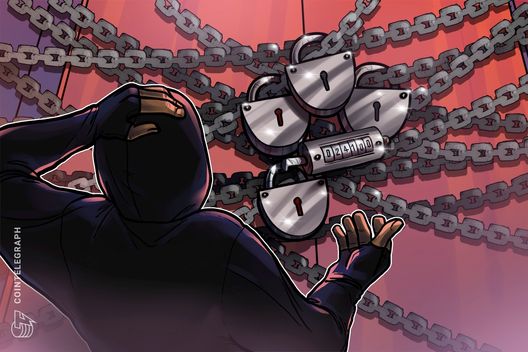
The hallowed halls of Paris Blockchain Week, typically abuzz with visionary talks and groundbreaking innovations, bore witness to a stark, unsettling undercurrent this year: a heightened, palpable concern for personal security among crypto executives. As digital assets soar in value and influence, so too has the alarming trend of physical coercion – chillingly dubbed ‘wrench attacks’ – against those who hold the keys to significant wealth. This pivot from purely digital threats to real-world kidnapping and extortion attempts marks a grim new chapter in the saga of cryptocurrency, forcing industry leaders to integrate sophisticated personal protection into their operational frameworks.
For years, the crypto world has grappled with an array of cyber threats, from sophisticated phishing scams and exchange hacks to smart contract exploits. However, the ‘wrench attack’ introduces a far more visceral dimension. It refers to acts of physical violence, kidnapping, or duress orchestrated by criminals to compel individuals to surrender access to their cryptocurrency wallets. Unlike traditional bank accounts, which benefit from centralized recovery mechanisms, chargeback options, and governmental oversight, self-custodied crypto assets, once transferred, are largely irreversible and untraceable. This inherent immutability and the global accessibility of funds make crypto holders uniquely vulnerable targets for those willing to resort to extreme measures.
The very nature of the crypto industry inadvertently amplifies this risk for its leading figures. Executives, founders, and influential developers are often public personalities, their identities and perceived wealth openly associated with high-profile projects. Conferences like Paris Blockchain Week, while essential for networking and collaboration, inadvertently serve as congregation points for these high-value targets, making them easier to identify and track. Their involvement in multi-million or even multi-billion dollar protocols, coupled with the often-public display of success, paints a clear target on their backs, attracting sophisticated criminal elements far beyond the realm of petty cybercriminals.
In response, the industry’s elite are now adopting a multi-layered security posture that blends state-of-the-art digital defense with robust physical and operational security. Personal physical security, once a concern primarily for heads of state or celebrities, is now becoming standard. This includes hiring professional bodyguards, utilizing secure armored transport, establishing panic rooms within residences, and employing discreet personal security details during travel and public appearances. These measures go beyond simple deterrence, often involving intricate threat assessments, pre-vetted routes, and real-time intelligence gathering to mitigate risks.
Digitally, executives are doubling down on advanced asset protection strategies. While hardware wallets and multi-signature schemes have long been best practices, their implementation is becoming increasingly sophisticated. This includes distributing cryptographic keys across multiple trusted individuals or geographically disparate secure locations, employing decoy wallets with minimal funds to satisfy initial demands, and developing sophisticated ‘dead man’s switch’ protocols that automatically transfer funds or alert authorities if certain conditions (like prolonged inactivity) are met. The emphasis is on making it technically difficult, if not impossible, for a single individual under duress to unlock significant assets.
Perhaps the most overlooked, yet critical, aspect of this new security paradigm is Operational Security (OpSec). This involves a conscious effort to minimize one’s public digital footprint, scrutinize social media posts for revealing details, vary daily routines to avoid predictability, and maintain strict confidentiality regarding travel plans, personal wealth, and even residential addresses. Vetting all staff, from corporate employees to domestic help, for potential vulnerabilities or insider threats is also paramount. The goal is to make a potential target as difficult to identify, locate, and surveil as possible.
This escalating threat carries significant implications for the broader crypto ecosystem. Firstly, it could deter mainstream institutional adoption and stifle innovation. If the industry is perceived as too dangerous, it could dissuade top talent from joining and make traditional investors wary. Secondly, it challenges the very ethos of transparency and openness that has characterized much of the decentralized movement. As executives become more guarded and private for their own safety, it could inadvertently push the industry towards greater centralization of knowledge and control. Thirdly, it places immense pressure on law enforcement agencies, who are often ill-equipped to handle crimes involving highly technical digital assets and international criminal networks. There’s a growing need for specialized units and cross-border cooperation to tackle these evolving threats.
The path forward demands a delicate balance. While the core tenets of decentralization and self-custody remain foundational, the industry must evolve its approach to personal safety. This means fostering greater community awareness about security best practices, encouraging the development of specialized security firms catering to the unique needs of crypto wealth, and actively collaborating with law enforcement to establish clearer legal frameworks and asset recovery protocols. The ‘wrench attack’ phenomenon is a stark reminder that the frontier of digital finance is not solely fought in code but also in the tangible world.
Ultimately, the ability of the crypto industry to protect its innovators and leaders will be a crucial determinant of its long-term success and widespread acceptance. Security is no longer an afterthought or a mere technical detail; it is a paramount concern that demands constant vigilance, adaptation, and a holistic strategy encompassing every facet of an executive’s life, both digital and physical.