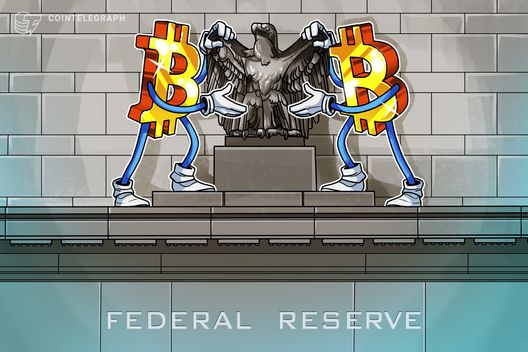
Bitcoin’s ambitious push towards the $93,000 mark has hit a significant snag, not due to an inherent weakening of its foundational thesis, but rather a confluence of powerful external macroeconomic forces and a pronounced shift in investor sentiment. What began as a promising rally has now morphed into a period of cautious consolidation, as professional traders increasingly pare back risk and the broader market fixates on traditional safe havens, Federal Reserve policy, and the turbulent landscape of US macroeconomics.
For weeks, the crypto community watched with bated breath as Bitcoin marched steadily upwards, fueling speculation of new all-time highs and renewed institutional interest. The $93,000 level wasn’t just another psychological barrier; it represented a critical juncture that, if breached, could have triggered a fresh wave of bullish momentum. However, this ascent has been met with a wall of skepticism, primarily from institutional players and sophisticated trading desks who are demonstrating a heightened degree of caution. This isn’t a market-wide panic, but rather a strategic retreat to the sidelines, characterized by reduced leverage, profit-taking, and a ‘wait-and-see’ approach as they await clearer signals from the global economic stage.
At the forefront of these concerns are mounting fears of a potential US government shutdown. While seemingly a domestic political squabble, a shutdown carries significant implications for global financial markets. It injects a heavy dose of uncertainty, disrupting government services, potentially delaying critical economic data releases, and undermining consumer and business confidence. Historically, such events have led to broad risk-off sentiment, where investors flock away from speculative assets and towards perceived safety. For Bitcoin, which has increasingly demonstrated correlation with traditional equity markets, a shutdown translates directly into diminished appetite for higher-risk propositions. The prospect of economic gridlock makes capital allocation to volatile assets like crypto a less attractive proposition.
Compounding these fears are the persistent jitters surrounding Federal Reserve policy. The ‘higher for longer’ interest rate narrative continues to cast a long shadow over growth and speculative assets. With inflation remaining stubbornly elevated and the labor market showing resilience, the Fed is under pressure to maintain its restrictive monetary stance. High interest rates increase the cost of capital, making borrowing more expensive for businesses and reducing the incentive for investors to chase higher returns in riskier assets, as the yield on safer bonds becomes more competitive. Furthermore, the Fed’s ongoing quantitative tightening (QT) program continues to drain liquidity from the financial system, creating a tighter environment for all asset classes, including Bitcoin. Professional traders are keenly aware that sustained hawkishness from the Fed limits the potential for significant upside in risk assets.
Adding another layer to this complex picture is the notable rally in gold. The precious metal, a traditional safe-haven asset, has surged recently, signaling a clear flight to quality amidst geopolitical tensions and economic uncertainty. This divergence is particularly insightful: while Bitcoin has often been hailed as ‘digital gold’ and a hedge against inflation or financial instability, the current environment sees traditional gold preferred by institutional money seeking genuine safety. This suggests that for many large players, Bitcoin’s correlation with broader tech and growth stocks, combined with its inherent volatility, still outweighs its safe-haven characteristics during periods of acute macroeconomic stress. The market is weighing whether Bitcoin acts more like a risk-on tech asset or a true digital store of value in the face of current global challenges.
Beyond these specific concerns, the broader health of US macroeconomics plays a pivotal role. Indicators such as employment figures, manufacturing data, consumer spending, and GDP growth all contribute to the overall investor outlook. Any signs of weakening economic activity without a corresponding dovish pivot from the Fed can quickly lead to increased pessimism. Professional traders are analyzing these metrics meticulously, understanding that they inform both Fed decisions and the broader risk tolerance across markets.
In conclusion, Bitcoin’s current stall near $93,000 is a powerful reminder that while its underlying technology and long-term value proposition remain compelling, it is not immune to the gravitational pull of global macroeconomic forces. The cooling investor sentiment, particularly among professional participants, reflects a mature market’s response to rising uncertainty and a restrictive monetary policy environment. While the cryptocurrency market has shown remarkable resilience and innovation, its immediate trajectory remains intricately linked to the resolution of US political dilemmas, the future path of Fed policy, and the broader health of the global economy. For investors, this period calls for prudence, strategic positioning, and a keen eye on the evolving macroeconomic landscape, as Bitcoin continues to navigate its path towards becoming a truly independent, yet globally interconnected, asset class.