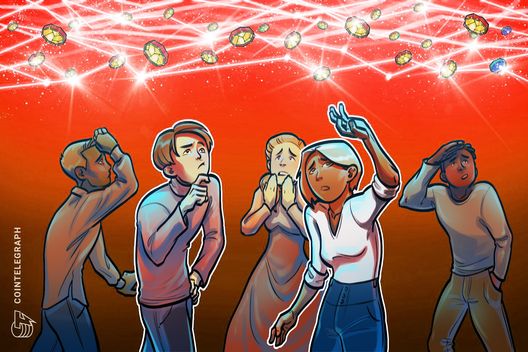
The cryptocurrency market, often characterized by its mercurial shifts, is currently presenting a profound paradox that has seasoned analysts and casual investors alike scratching their heads. For an astonishing 14 consecutive days, the widely referenced Crypto Fear & Greed Index (CFGI) has resided firmly in the ‘extreme fear’ zone. What makes this sentiment particularly perplexing is its severity: the index is currently registering levels lower than those observed during the catastrophic FTX collapse in late 2022, despite Bitcoin (BTC) now trading at roughly five times its price during that dark period.
This discrepancy – a surging asset price juxtaposed with unprecedented market apprehension – demands a deeper dive. As senior crypto analysts, we must dissect the multi-faceted reasons behind this ‘fear epidemic’ and its implications for the broader digital asset landscape.
**The Paradox Unpacked: Fear vs. Fundamentals**
The Crypto Fear & Greed Index, a composite metric, assesses market sentiment by analyzing various factors including volatility, market momentum, social media sentiment, surveys, Bitcoin dominance, and Google Trends data. A lower score indicates greater fear, often signaling that investors are panicking or highly risk-averse. Historically, extreme fear periods have sometimes preceded significant price rallies, serving as a contrarian indicator for shrewd investors.
Yet, the current situation feels different. During the FTX implosion, the fear was immediate, acute, and rooted in an existential crisis for centralized finance within crypto. The market was reeling from a systemic shock, trust was shattered, and the price collapse reflected a genuine flight to safety from a collapsing ecosystem. Bitcoin plummeted to around $16,000, and the fear was a direct, rational response to tangible, catastrophic events.
Today, Bitcoin is hovering around $70,000. It has weathered the storm of inflation, interest rate hikes, and even the initial, perhaps underwhelming, reaction to the U.S. spot Bitcoin ETF approvals. It has demonstrated remarkable resilience and a burgeoning institutional embrace. So, why the pervasive and deeper fear?
**Drivers of the Lingering Apprehension**
The answer lies in a confluence of factors, both internal to crypto and external macroeconomic headwinds:
1. **Macroeconomic Overhang:** Unlike the FTX crash, which was an internal crypto shock, the current fear appears heavily influenced by broader global economic anxieties. Persistently high interest rates in major economies, stubborn inflation, and fears of a global economic slowdown make investors risk-averse across all asset classes, especially volatile ones like crypto. Geopolitical tensions further exacerbate this climate of uncertainty, pushing capital towards perceived safe havens rather than speculative growth assets.
2. **Regulatory Fog and Enforcement:** The crypto industry continues to operate under a significant cloud of regulatory uncertainty, particularly in the United States. Ongoing lawsuits against major exchanges like Coinbase and Binance, coupled with the SEC’s aggressive stance on various tokens as unregistered securities, create an environment of apprehension. While some clarity emerged with spot ETF approvals, the path for broader crypto regulation remains murky, hindering mainstream adoption and investment with confidence.
3. **Post-Hype Disappointment:** The approval of spot Bitcoin ETFs in January was heralded as a monumental step, expected to unleash a flood of institutional capital and propel Bitcoin to new highs. While inflows have been significant, the parabolic price surge many anticipated immediately post-approval didn’t materialize, leading to a ‘sell the news’ reaction and perhaps a sense of disillusionment among some investors who bought into the hype. The initial euphoria has given way to a more measured, somewhat anti-climactic reality.
4. **Lingering Scars of 2022:** Despite Bitcoin’s recovery, the traumatic events of 2022 – Terra/LUNA, Celsius, 3 Arrows Capital, and FTX – have left indelible scars. Investor trust, particularly in centralized platforms and the broader promise of Web3, remains fragile. This deep-seated skepticism means that even positive developments are viewed through a lens of caution, requiring more sustained evidence of stability and integrity.
5. **Bitcoin Halving Jitters:** While the impending Bitcoin halving is generally considered a bullish long-term catalyst due to its supply-shock mechanism, it also introduces short-term volatility. The historical ‘pre-halving dip’ or ‘range-bound’ price action can generate anxiety, as market participants attempt to front-run or react to expected price movements.
**Implications and The Contrarian View**
The sustained ‘extreme fear’ at a time of relatively high Bitcoin prices presents a unique challenge and opportunity. For long-term holders and contrarian investors, such periods of pervasive pessimism, especially when underlying fundamentals (like institutional adoption and network security) remain strong, can signal opportune accumulation phases. Warren Buffett’s adage, “Be fearful when others are greedy, and greedy when others are fearful,” resonates loudly here.
However, it also suggests that the market, particularly the retail segment which heavily influences the CFGI, is not yet convinced of sustained bullish momentum. This widespread caution could lead to further sideways consolidation or even short-term pullbacks as investors remain hesitant to commit significant capital.
Ultimately, the current ‘extreme fear’ reflects a more mature, yet still highly reactive, market. It’s not the panicked, immediate fear of systemic collapse, but rather a chronic anxiety born from macroeconomic pressures, regulatory uncertainty, and the lingering psychological impact of past failures. Navigating this environment requires patience, a deep understanding of both crypto-specific and global economic forces, and a discerning eye for value amidst the widespread apprehension. The market isn’t just reacting to price anymore; it’s grappling with its own evolving identity in a complex world.
As analysts, we will continue to monitor the interplay between fundamental developments, on-chain data, and this curious emotional landscape, ready to identify when this deep-seated fear finally gives way to renewed conviction.