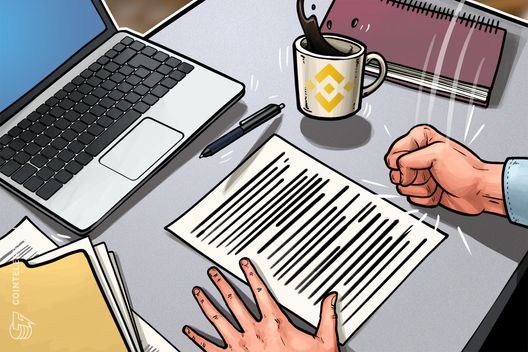
Binance, the world’s largest cryptocurrency exchange, has once again found itself at the nexus of intense scrutiny, vehemently denying recent allegations of facilitating sanctions breaches linked to Iran and subsequently firing internal investigators who flagged these issues. The company’s official response asserts that an ‘internal review with external counsel’ found no evidence of sanctions violations, maintaining its commitment to regulatory obligations under ongoing monitoring and oversight. This denial, however, arrives at a critical juncture for Binance, pushing its credibility and the efficacy of its compliance framework to the forefront of the global crypto conversation.
The allegations, reportedly detailed in a Wall Street Journal article, painted a troubling picture of Binance’s operations. Specifically, the report claimed that Binance processed transactions worth billions of dollars for Iranian entities, circumventing U.S. sanctions, and that internal compliance personnel raising alarms were subsequently dismissed. Such accusations are particularly damaging given Binance’s recent history, culminating in a landmark settlement with the U.S. Department of Justice (DOJ) in November 2023. That settlement, which involved a staggering $4.3 billion penalty, saw founder Changpeng ‘CZ’ Zhao plead guilty to anti-money laundering failures and step down as CEO, with Richard Teng taking the helm. Crucially, as part of the deferred prosecution agreement (DPA), Binance agreed to a period of independent monitoring, a fact that lends significant weight to its current claim of adherence to regulatory standards.
From an analyst’s perspective, Binance’s denial, while expected, warrants a nuanced examination. The reliance on an ‘internal review with external counsel’ is a standard corporate response. While the involvement of external counsel adds a layer of professional objectivity, the review’s scope and methodology, along with the degree of independence, remain key questions. An internal review, by definition, is commissioned and controlled by the company itself, which can, at times, lead to perceptions of conflict of interest, especially when dealing with such high-stakes allegations.
The more specific charge concerning the firing of internal investigators presents a different challenge to Binance’s narrative. While Binance has denied sanctions breaches, their statement doesn’t explicitly address the accusations of investigator firings *in relation to those investigations*. Was the timing coincidental? Were the firings for unrelated performance issues? The distinction is crucial. If investigators were indeed dismissed for raising legitimate concerns about sanctions compliance, it would suggest a potentially problematic internal culture that discourages transparency and robust risk management – an antithesis to the reform efforts mandated by the DPA.
The context of the DPA and ongoing independent monitoring cannot be overstated. Binance is currently under the watchful eye of an appointed monitor tasked with assessing and reporting on its compliance improvements. Any new, credible allegations of sanctions violations or internal suppression of compliance efforts would be a severe blow to Binance’s efforts to rehabilitate its image and satisfy the terms of its agreement. Such a development could potentially lead to further legal ramifications, including the re-evaluation or even termination of the DPA, triggering harsher penalties.
For the broader cryptocurrency ecosystem, these persistent allegations against a market leader like Binance are a double-edged sword. On one hand, they highlight the ongoing challenges of ensuring robust Anti-Money Laundering (AML) and Know Your Customer (KYC) compliance within a global, pseudo-anonymous financial landscape. On the other hand, the increased regulatory scrutiny and the severe penalties imposed on Binance (and others) underscore the growing determination of global regulators to bring crypto exchanges into line with traditional financial compliance standards. The industry’s ability to shed its ‘wild west’ image hinges on the verifiable commitment of its largest players to adhere to these rules.
Investors, regulators, and the public will be closely watching for further developments. Binance’s future success, particularly its expansion into new regulated markets, hinges entirely on demonstrating unwavering compliance and transparent internal governance. The current denial, while a necessary first step, only serves to intensify the spotlight. True vindication will likely require more than an internal review; it will demand consistent, independently verifiable adherence to global standards, coupled with a transparent account of how internal dissent or compliance concerns are addressed. The coming months, with the independent monitor’s reports looming, will be a definitive test of Binance’s newfound commitment to a compliance-first culture.