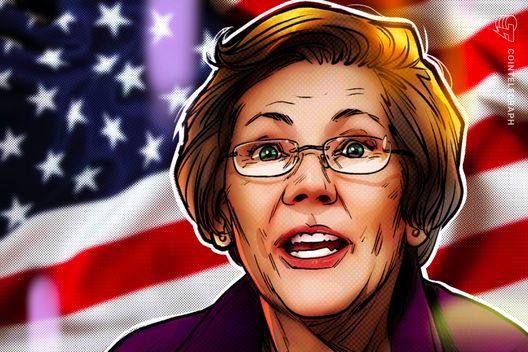
The burgeoning intersection of mainstream entertainment, colossal social media influence, and the still-nascent world of cryptocurrency has drawn a sharp, critical eye from Capitol Hill. Senator Elizabeth Warren, a vocal critic of the crypto industry, has escalated her scrutiny, directly questioning YouTube titan MrBeast (Jimmy Donaldson) and the CEO of his holding company, M&M, over concerns that his recently acquired banking app, Current, could be leveraged to market volatile digital assets to minors.
This isn’t merely a political spat; it’s a profound moment of reckoning for the cryptocurrency industry, highlighting the immense challenges and ethical tightropes involved in achieving mainstream adoption. As a Senior Crypto Analyst, I view this development not just as a warning shot fired at a single influencer, but as a critical indicator of future regulatory trends and the urgent need for the industry to proactively address consumer protection, particularly concerning vulnerable demographics.
Senator Warren’s letter to Donaldson and Current CEO Stuart Sopp stems from the acquisition of Current by M&M, a move that has thrust a popular digital banking platform, known for its appeal among younger users, into the orbit of one of the world’s most influential figures. Current offers banking services, including checking accounts and debit cards, and critically, also provides access to cryptocurrency trading. The core concern articulated by Warren is whether MrBeast’s unparalleled reach – boasting over 260 million YouTube subscribers and billions of views, predominantly among a younger audience – will be inadvertently or directly exploited to encourage minors to engage with the highly volatile and complex crypto market through the Current app.
From a regulatory standpoint, Senator Warren’s intervention is entirely consistent with her established position. She has consistently advocated for stricter oversight of the crypto space, citing concerns about investor protection, market manipulation, and the potential for financial harm, especially to everyday retail investors. Her focus on minors is particularly pointed, as this demographic is arguably the most susceptible to speculative trends, peer influence, and the allure of ‘get rich quick’ schemes often associated with meme coins and NFTs.
The letter explicitly asks for detailed information regarding Current’s age verification processes, its marketing strategies, and any plans to integrate MrBeast’s brand or content with Current’s crypto offerings. This signals a broader regulatory interest in the ‘on-ramps’ to crypto – the gateways through which new users enter the market – and the marketing tactics employed by platforms and their associated influencers. Regulators are increasingly scrutinizing how companies ensure compliance with existing financial regulations, while also addressing the unique challenges posed by decentralized finance and digital assets.
For the crypto industry, this incident presents both an opportunity and a significant risk. On one hand, the involvement of a figure like MrBeast underscores the incredible potential for mainstream adoption and the normalization of digital assets. Influencers possess an unmatched ability to demystify complex technologies and drive engagement among demographics traditionally outside traditional finance. Harnessing this power responsibly could accelerate crypto’s journey into everyday life.
However, the risks are substantial. A misstep by MrBeast or Current, particularly one that leads to demonstrable financial harm among minors, could trigger a severe regulatory backlash. This would not only affect Current but could also lead to broader restrictions on crypto marketing, influencer endorsements, and even limitations on which platforms can offer services to certain age groups. The industry has already faced criticism for a lack of transparency and an ‘anything goes’ approach to promotion in certain corners. This incident serves as a stark reminder that as crypto integrates further into the mainstream, it must adhere to the same, if not higher, ethical and regulatory standards as traditional financial services.
Ethical considerations are paramount here. The ‘gamification’ of finance, often seen in user-friendly apps, can blur the lines between entertainment and serious financial decisions, making it particularly appealing yet perilous for younger users. While parental oversight is crucial, platforms also bear a significant responsibility to implement robust age verification, clear disclosures, and, perhaps most importantly, to avoid any direct or indirect marketing that might encourage minors to participate in high-risk financial activities.
Looking ahead, this exchange between Senator Warren and MrBeast could catalyze several important developments. It may force Current, and by extension, MrBeast’s M&M, to implement stringent internal policies that explicitly wall off crypto services from minors or even young adults. More broadly, it could prompt other crypto platforms to re-evaluate their influencer marketing strategies, pushing for greater transparency, mandatory disclaimers, and a more rigorous vetting of content. It also signals that regulators are prepared to follow the money and the influence, extending their oversight beyond traditional financial institutions to encompass popular culture figures and digital platforms.
In conclusion, the Senator Warren-MrBeast saga is far more than a simple celebrity entanglement. It’s a critical stress test for the crypto industry’s commitment to responsible growth, ethical marketing, and consumer protection as it navigates the choppy waters of mainstream acceptance. The industry’s response to this scrutiny, particularly regarding the safeguarding of minors, will undoubtedly shape regulatory discourse and set precedents for how digital assets integrate into the everyday lives of the next generation. The onus is now on crypto’s leaders to demonstrate that innovation can indeed coexist with robust ethical frameworks and strong consumer safeguards.