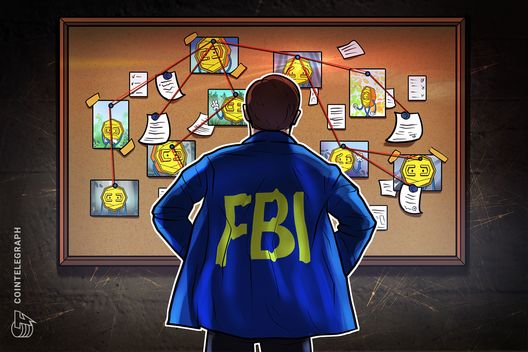
In the ever-evolving landscape of digital finance, the sophistication and sheer audacity of crypto scams continue to pose a significant threat to investors and the broader ecosystem. The latest warning from the Federal Bureau of Investigation (FBI) highlights a particularly insidious scheme targeting users on the Tron blockchain: a ‘fake FBI token’ designed to intimidate individuals into relinquishing their digital assets. As a Senior Crypto Analyst, this development underscores critical vulnerabilities and the urgent need for heightened user vigilance.
The core of this elaborate scam revolves around impersonation and psychological manipulation. Scammers, leveraging the perceived authority of a federal law enforcement agency, are distributing a bogus token on the Tron network. This ‘FBI token’ serves as a prop in a larger social engineering attack, with perpetrators contacting Tron users to inform them they are ‘under investigation.’ The threat is stark: cooperate by completing an unspecified ‘check’ or face the chilling consequence of having their crypto assets ‘frozen.’ This tactic preys on fear, urgency, and a lack of understanding regarding how legitimate law enforcement operates in the digital sphere.
**Unpacking the Scam Mechanism and its Sophistication**
The choice of the FBI for impersonation is no accident. The agency commands immediate recognition and instills a sense of dread, making individuals more susceptible to coercive demands. The perpetrators are not merely sending phishing emails; they are utilizing a blockchain-based ‘token’ as part of their scheme, lending a superficial veneer of legitimacy to their fraudulent claims. While the ‘FBI token’ itself likely holds no intrinsic value and may simply be a tool for communication or to trigger malicious smart contract interactions, its presence aims to create an aura of officialdom, tricking victims into believing they are dealing with a genuine entity.
Targeting the Tron network is also a strategic decision. Tron (TRX) is a popular blockchain known for its high transaction speeds and low fees, attracting a diverse user base. The ease of creating TRC-20 tokens on the platform, while beneficial for legitimate projects, also provides a fertile ground for bad actors to launch scam tokens with minimal overhead. The scam artists exploit the decentralized nature of blockchain, where anyone can issue a token, to their advantage, manufacturing an official-looking digital asset that purports to represent a federal agency.
At its heart, this is a sophisticated social engineering attack built on a foundation of phishing and intimidation. The ‘check’ victims are asked to complete could take various forms: linking their wallet to a malicious decentralized application (dApp) that drains funds, signing a transaction that grants scammers approval to transfer tokens, or even direct demands for ‘settlement’ payments in cryptocurrency. The underlying goal is always the same: to gain unauthorized access to or direct transfer of a user’s crypto assets.
**Wider Implications and the Evolving Threat Landscape**
This ‘fake FBI token’ incident is not an isolated anomaly but rather a clear indicator of the evolving sophistication in crypto fraud. Scammers are moving beyond simple fake investment opportunities to more elaborate schemes that blend technical savvy with psychological manipulation. The impersonation of government agencies, financial institutions, and even well-known crypto figures is a recurring theme, highlighting a persistent vulnerability in user education and awareness. Such scams erode trust, not only in specific blockchain platforms but in the broader credibility of the cryptocurrency industry.
The decentralized and pseudonymous nature of blockchain, while offering immense benefits, also presents challenges for law enforcement and regulators. Tracking and prosecuting these perpetrators across borders is notoriously difficult, making prevention and user education paramount. The ease with which malicious tokens can be deployed underscores the need for continuous platform-level scrutiny and, crucially, robust community reporting mechanisms.
**Protecting Your Digital Assets: A Senior Analyst’s Guide**
For any cryptocurrency user, particularly those on the Tron network, vigilance is your strongest defense. Here are critical measures to safeguard your assets:
1. **Verify Official Communications:** No legitimate law enforcement agency, including the FBI, will initiate contact regarding an investigation via a random blockchain token, direct messages on social media, or unsolicited emails demanding immediate action in cryptocurrency. Official communications typically occur through formal channels and never involve threats to freeze assets or demand crypto payments.
2. **Be Skeptical of Urgency and Threats:** Scammers thrive on creating panic. Any communication demanding immediate action under threat of asset freezing, legal repercussions, or account closure is a massive red flag. Always take a step back and independently verify the information.
3. **Never Share Private Keys or Seed Phrases:** This is the golden rule of crypto security. Your private keys/seed phrase are the master access to your funds. No legitimate entity will ever ask for them.
4. **Beware of Malicious Links and DApps:** Do not click on suspicious links or connect your wallet to unfamiliar dApps. Always double-check URLs for subtle misspellings or variations. Use reputable wallets and hardware wallets for significant holdings.
5. **Educate Yourself Continuously:** Stay informed about common scam tactics, new phishing methods, and security best practices. Follow reputable crypto news sources and security advisories.
6. **Report Suspicious Activity:** If you encounter such a scam, report it to the FBI’s Internet Crime Complaint Center (IC3) and alert the relevant blockchain platform and your wallet provider.
7. **Enable Two-Factor Authentication (2FA):** Use 2FA on all your crypto accounts, exchanges, and wallets for an added layer of security.
**The Path Forward**
The FBI’s warning is a stark reminder that the battle against crypto crime is ongoing. While law enforcement agencies like the FBI work to identify and apprehend these criminals, the first line of defense rests with individual users. Blockchain platforms also bear a responsibility to implement more robust mechanisms to identify and potentially delist fraudulent tokens. Ultimately, an informed and cautious community is the most formidable barrier against these pervasive and financially devastating scams. Stay vigilant, stay skeptical, and protect your digital future.