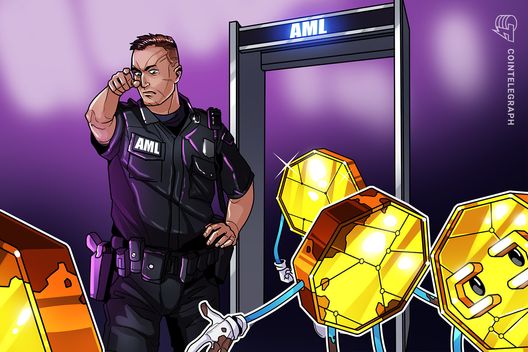
The digital asset landscape is once again under the scanner, with Thailand taking decisive action against illicit activities within its burgeoning crypto sector. Recent reports indicate that Thai crypto operators have frozen approximately 10,000 suspected “mule accounts” as part of an intensified anti-fraud initiative. This move, accompanied by the implementation of new Anti-Money Laundering (AML) checks and transfer delays, marks a significant escalation in regulatory oversight and serves as a stark reminder of the evolving global imperative to curb financial crime within the crypto sphere.
As a Senior Crypto Analyst, this development resonates deeply, not merely as an isolated incident in Southeast Asia, but as a critical bellwether for the broader trajectory of crypto regulation worldwide. The crackdown highlights the increasing sophistication of financial criminals leveraging digital assets, necessitating equally sophisticated and robust responses from regulators and platforms alike.
**The Immediate Impact: Operation & User Experience**
The freezing of 10,000 accounts is a monumental operational undertaking for Thai crypto platforms. ‘Mule accounts’ are typically used by scammers to funnel illicitly obtained funds, often through phishing, romance scams, or investment fraud, making their identification and isolation crucial. While essential for financial integrity, the implementation of enhanced AML checks invariably introduces friction into the user experience, leading to transfer delays and increased scrutiny for legitimate transactions. Users may experience frustration, but this short-term inconvenience is arguably a necessary trade-off for fostering a safer, more compliant ecosystem. For platforms, the challenge lies in balancing stringent security measures with maintaining a seamless user interface, a delicate act that demands significant investment in technology, personnel, and compliance frameworks.
**Thailand’s Regulatory Stance: A Deeper Dive**
Thailand has been relatively progressive in its approach to digital assets, being one of the first nations to establish a dedicated regulatory framework under its Securities and Exchange Commission (SEC). This current crackdown is not an abrupt shift but rather a logical progression of an established regulatory commitment. The Thai government, like many others, is grappling with the dual challenge of embracing financial innovation while mitigating risks associated with money laundering, terrorist financing, and consumer fraud. The ‘mule account’ issue underscores the pressure on regulated entities to not only adhere to a baseline of Know Your Customer (KYC) but to actively monitor and detect suspicious activities post-onboarding. This proactive enforcement demonstrates a maturation of regulatory intent, moving beyond mere licensing to active surveillance and intervention.
**The Global Picture: A Precedent for Others?**
Thailand’s actions align perfectly with the global push for stronger crypto regulation, particularly recommendations from the Financial Action Task Force (FATF). The FATF, an intergovernmental organization that sets international standards to prevent money laundering and terrorist financing, has consistently urged member states to apply its ‘Travel Rule’ and other AML/CFT (Combating the Financing of Terrorism) standards to Virtual Asset Service Providers (VASPs). This Thai initiative can be seen as a direct response to these global pressures, signaling that regulatory bodies are increasingly unwilling to tolerate regulatory arbitrage or lax enforcement. Jurisdictions from the EU (with MiCA) to the US (with ongoing legislative debates) are all moving towards greater oversight. Thailand’s proactive stance could serve as a blueprint or at least a powerful example for other emerging crypto markets in Asia and beyond, emphasizing that the era of ‘wild west’ crypto is definitively waning.
**Balancing Innovation with Compliance: The Eternal Struggle**
The tension between crypto’s foundational ethos of decentralization and the imperative for centralized platforms to comply with traditional financial regulations remains palpable. However, the reality is that the vast majority of users access crypto through centralized exchanges, making these entities critical choke points for AML/CFT efforts. Platforms are now compelled to invest heavily in advanced analytics, AI-driven transaction monitoring, and robust forensic capabilities to identify complex illicit networks. This necessity reshapes business models, pushing platforms towards a future where compliance is not merely a cost center but a core competitive differentiator, building trust and legitimacy in a volatile market.
**Market Implications and Investor Confidence**
In the short term, such crackdowns can induce market volatility as uncertainty pervades. However, in the long run, enhanced regulatory clarity and enforcement are net positives for the industry. By purging illicit actors and reducing the perception of crypto as a haven for criminals, legitimate institutional and retail investors gain confidence. This fosters a healthier market environment, potentially attracting a broader demographic of participants and paving the way for further integration of digital assets into the mainstream financial system. This institutionalization is crucial for crypto’s sustained growth and stability.
**The Road Ahead: What to Expect**
We can anticipate several trends moving forward: more stringent and dynamic KYC processes, the proliferation of sophisticated AI and machine learning tools for anomaly detection, increased cross-border cooperation between regulatory bodies, and a greater emphasis on data sharing (within legal and privacy constraints) to combat international financial crime networks. Crypto platforms that prioritize and excel in compliance will be the ones best positioned for long-term success, while those that lag will face increasing regulatory scrutiny, penalties, or even market exit.
In conclusion, Thailand’s freeze of 10,000 crypto accounts is far more than a local news item; it is a significant data point in the global narrative of crypto’s maturation. It underscores the undeniable reality that as digital assets become more ubiquitous, so too will the regulatory apparatus designed to safeguard financial integrity. While short-term challenges for users and platforms are inevitable, the long-term benefit of a cleaner, more secure, and ultimately more legitimate crypto ecosystem is a prize worth pursuing, paving the way for sustainable growth and broader societal acceptance.