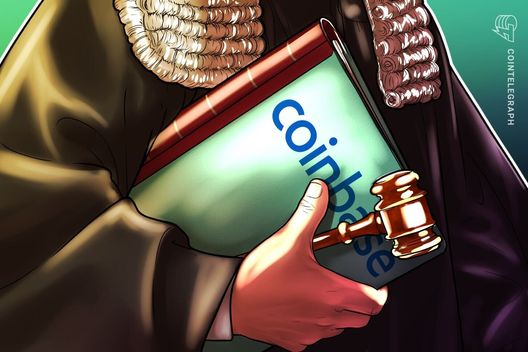
A new legal challenge has emerged against Coinbase Global, targeting its executives directly in a lawsuit seeking significant damages for the company, sweeping governance reforms, and the clawback of compensation and profits allegedly amassed by insiders amidst the firm’s compliance shortcomings. This development is not merely another legal hurdle for the crypto giant; it’s a stark reminder of the escalating scrutiny on corporate governance within the digital asset space and the growing demand for executive accountability.
The lawsuit, believed to be a derivative action filed by shareholders on behalf of Coinbase, fundamentally argues that the company’s executives and possibly its board have failed in their fiduciary duties. By allegedly allowing compliance failures to fester, these insiders are accused of harming the company while simultaneously benefiting personally. The demand for ‘damages for Coinbase’ suggests shareholders believe the executives’ actions (or inactions) have led to corporate losses, whether through regulatory fines, legal costs, or reputational harm. Furthermore, the call for ‘governance reforms’ points to a perceived systemic issue within Coinbase’s leadership structure, implying a lack of effective oversight and internal controls that allowed compliance issues to persist.
Crucially, the request for the ‘return of compensation and profits allegedly earned by insiders’ introduces an element of unjust enrichment or insider profiteering. This allegation suggests that certain executives may have knowingly operated within a grey area of compliance, or even explicitly disregarded regulations, while personally benefiting from the company’s operations during this period. Such claims, if substantiated, could have profound implications for the individuals involved, potentially leading to significant financial penalties and a severe blow to their professional reputations.
This latest legal action does not occur in a vacuum. Coinbase, a publicly traded company and a leading cryptocurrency exchange, has been embroiled in a high-profile legal battle with the U.S. Securities and Exchange Commission (SEC), which accuses the firm of operating an unregistered exchange, broker, and clearing agency. The SEC’s lawsuit, initiated in June 2023, is centered on the classification of various cryptocurrencies as unregistered securities and Coinbase’s alleged facilitation of their trading. This existing regulatory pressure provides a critical backdrop, suggesting that the ‘compliance failures’ cited in the new shareholder lawsuit are likely related to, or exacerbated by, the issues raised by the SEC.
The implications of this derivative lawsuit for Coinbase are multifaceted and potentially severe. Financially, the company faces not only the immediate costs of defense but also the prospect of significant payouts if the lawsuit is successful, in addition to the potential for executives to return past compensation. The demand for clawbacks could extend beyond direct profits to include stock options and other performance-based remuneration tied to periods where compliance was allegedly lacking. Reputational damage is also a major concern. Allegations of insider profiteering and weak governance can erode investor trust, affect user confidence, and complicate Coinbase’s ongoing efforts to position itself as a compliant and regulated player in the crypto ecosystem. Operationally, the lawsuit will undoubtedly divert significant executive attention and resources away from strategic initiatives and towards legal defense and internal remediation efforts.
Beyond Coinbase, this lawsuit sends a strong signal across the broader cryptocurrency industry. It underscores a fundamental shift in how digital asset companies, particularly those with public listings or significant market presence, are being held accountable. Executive teams at other exchanges and crypto firms will likely face increased scrutiny from their own shareholders and boards regarding their compliance postures and corporate governance frameworks. The pursuit of ‘insider profit clawbacks’ could set a powerful precedent, making executives acutely aware that personal gains derived from non-compliance or lax oversight could be subject to aggressive reclamation.
This growing trend towards robust governance and regulatory adherence is a sign of the crypto market’s maturation. As the industry strives for mainstream adoption and institutional integration, the expectations for transparency, ethical leadership, and stringent compliance will only intensify. Regulatory bodies, already vigilant, will likely view this lawsuit as further evidence of the need for clear guidelines and enforcement actions to protect investors and maintain market integrity. For investors, these developments highlight the critical importance of due diligence, not only into a company’s financial performance but also into its corporate governance, regulatory standing, and the ethical conduct of its leadership.
In conclusion, the derivative lawsuit against Coinbase executives marks a pivotal moment in the ongoing saga of crypto regulation and corporate accountability. It amplifies the pressure on Coinbase to demonstrate not only its commitment to compliance but also to fundamental principles of good governance and ethical leadership. For the wider crypto industry, it serves as a powerful reminder that the path to legitimacy and sustained growth is inextricably linked to building robust compliance infrastructures and fostering a culture of transparency and accountability from the top down. The outcome of this lawsuit will undoubtedly shape future expectations for executive conduct and corporate oversight in the dynamic world of digital assets.