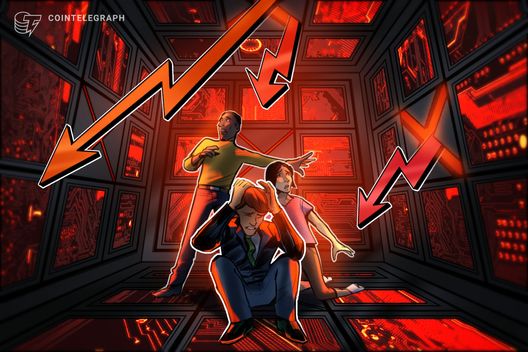
The cryptocurrency market, fresh from an unprecedented bull run that captured global attention, now finds itself in a brutal bear market. The dramatic collapse in the prices of Bitcoin (BTC) and Ether (ETH) – the twin pillars of the digital asset economy – is not merely a superficial price correction. It is, unequivocally, a profound stress test, sending shockwaves through every interconnected facet of the crypto ecosystem. This downturn is rigorously scrutinizing balance sheets, operational models, and risk management strategies across corporate treasuries, exchange-traded products, and the energy-intensive mining infrastructure, exposing vulnerabilities that were masked by years of exuberant growth.
For publicly traded companies that ventured into holding significant amounts of Bitcoin or other digital assets on their corporate balance sheets, the downturn has been particularly punishing. What was once heralded as a visionary treasury strategy to hedge against inflation or unlock shareholder value has rapidly transformed into a source of substantial impairment losses. Under current accounting standards (GAAP), companies must record a loss if the fair value of their crypto holdings falls below their cost basis, even if the assets are not sold. This necessitates tough conversations with shareholders, potentially impacting credit ratings, and forcing a critical re-evaluation of capital allocation strategies. The ‘hold-on-for-dear-life’ (HODL) mentality, while enduring for retail, is a far more complex proposition when faced with institutional reporting requirements and fiduciary duties.
Crypto-backed Exchange Traded Funds (ETFs) and Exchange Traded Products (ETPs), which were designed to offer mainstream investors regulated access to digital assets, are also navigating turbulent waters. While physically-backed ETFs hold the underlying assets, their Net Asset Values (NAV) directly reflect market price declines. This triggers significant redemptions as investor confidence wanes, leading to a contraction in Assets Under Management (AUM). For products that rely on futures or synthetic structures, the volatility can lead to wider tracking errors and increased operational risks, demanding sophisticated hedging strategies. The pressure on these vehicles underlines the nascent nature of crypto as an institutional asset class, and how swiftly investor sentiment can shift when faced with sustained market pressure.
Perhaps no sector has felt the brunt of this ‘crypto winter’ more acutely than the mining industry. Miners, who operate on razor-thin margins, face a dual assault: plummeting cryptocurrency prices slash their revenue, while stubbornly high energy costs, exacerbated by global geopolitical events, inflate their operational expenses. This profitability squeeze puts immense strain on balance sheets, especially for those who took on significant debt to expand operations during the bull market, collateralizing loans with their mining rigs or even their Bitcoin holdings. Many are now staring down margin calls, forced liquidations of mined coins, and even potential defaults. We are already witnessing consolidation in the mining sector, with less efficient or overly leveraged players being absorbed or forced into insolvency. The current environment is accelerating a shift towards greater energy efficiency, geographical diversification, and perhaps even a move towards more sustainable and renewable energy sources, not just for ethical reasons but for sheer economic survival.
Beyond these direct impacts, the stress test reveals the interconnectedness and systemic risks within the broader crypto ecosystem. The deleveraging cascade extends to lending platforms, venture capital firms, and other highly leveraged entities that facilitated the immense growth of decentralized finance (DeFi) during the bull run. Contagion risks are palpable as insolvency at one major player can trigger a chain reaction, leading to further liquidations and a tightening of liquidity. This period mirrors traditional financial crises, where excessive leverage in a rapidly appreciating asset class eventually leads to a painful, necessary, and often brutal, market reset.
The current downturn, while painful, serves as an essential rite of passage for the nascent digital asset industry. It is a critical litmus test for operational resilience, risk management efficacy, and the viability of various business models. It exposes speculative excesses, inadequate due diligence, and the dangers of building financial structures primarily for a bull market. The market is effectively ‘purging’ unsustainable projects and over-leveraged entities, forcing a re-focus on fundamental value, sustainable growth, and robust risk frameworks. This period will inevitably lead to greater financial discipline, more conservative balance sheet management, and a renewed emphasis on building for long-term utility rather than short-term gains.
In conclusion, the collapse in Bitcoin and Ether prices is more than a mere blip on the financial radar; it is a foundational stress test that is reshaping the very fabric of the crypto industry. While the immediate consequences are challenging, this deleveraging event is forcing maturity, resilience, and a sharper focus on sustainable practices. The crypto ecosystem that emerges from this winter will undoubtedly be leaner and more battle-hardened, laying the groundwork for a more robust, regulated, and ultimately, more enduring digital asset future.