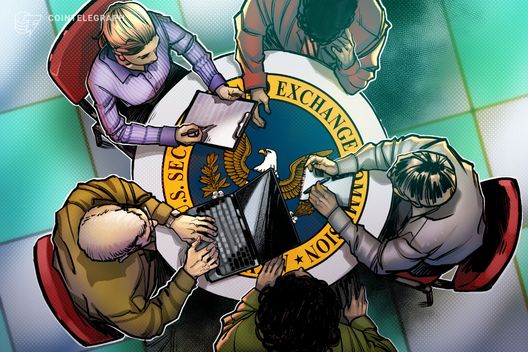
A significant tremor has rippled through the cryptocurrency landscape, as Congresswoman Maxine Waters (D-CA) has publicly demanded an oversight hearing regarding the Securities and Exchange Commission’s (SEC) approach to digital assets. This urgent call for accountability from one of the most influential figures in financial regulation comes on the heels of reports suggesting the agency has reportedly dropped or significantly altered its stance in major cases involving prominent crypto firms, including but not limited to Coinbase and Binance.
As a Senior Crypto Analyst, I view this development as more than just political theater; it represents a potential inflection point in the protracted and often contentious relationship between the U.S. government and the burgeoning digital asset industry. For years, the crypto sector has grappled with regulatory uncertainty, largely characterized by the SEC’s ‘regulation by enforcement’ strategy under Chair Gary Gensler. Waters’ intervention signals a growing bipartisan frustration with this approach and a clear demand for greater transparency and a coherent framework.
**The Genesis of the Conflict: Regulation by Enforcement**
The SEC, under Chair Gensler, has consistently asserted that most cryptocurrencies are unregistered securities, falling squarely within its jurisdiction. This interpretation has served as the bedrock for a series of aggressive enforcement actions against various crypto entities, from high-profile companies like Ripple and Terraform Labs (Do Kwon) to exchanges like Kraken and Bittrex, as well as lending platforms such as Gemini and Genesis. The industry’s primary contention has been the perceived lack of clear guidelines, arguing that the SEC’s approach punishes innovation and forces companies into non-compliance by not providing a clear path to compliance.
These enforcement actions, while defended by the SEC as necessary for investor protection, have drawn criticism for their retrospective nature and for creating an environment of fear and uncertainty. Companies have found themselves navigating a minefield of potential legal challenges, often without the benefit of bespoke legislation or clear regulatory pathways tailored to the unique characteristics of digital assets. This ‘chilling effect’ has been cited by numerous industry leaders as a primary reason for innovation and capital to seek more accommodating jurisdictions abroad.
**The Catalyst: ‘Dropped Cases’ and a Shifting Tides?**
The specific trigger for Waters’ demand—the reported dropping or scaling back of major cases against firms like Coinbase and Binance—is particularly noteworthy. While the exact details and implications of these reported changes in enforcement strategy are still unfolding, the perception of a retreat or recalibration by the SEC sends a powerful message. If the agency is indeed softening its stance or finding its legal arguments challenged in court, it raises fundamental questions about the efficacy and sustainability of its previous ‘enforce first, clarify later’ policy.
For the industry, such a shift could be interpreted in several ways: perhaps the SEC is acknowledging the complexities of applying existing securities laws to novel technologies, or maybe it’s facing increasing pressure from judicial challenges and political pushback. Regardless of the underlying reasons, the optics of potentially withdrawing from or significantly altering major cases would undoubtedly embolden crypto firms and intensify calls for a more pragmatic regulatory approach.
**Maxine Waters’ Stance: A History of Scrutiny and Consumer Protection**
Congresswoman Waters, a long-serving and influential voice on financial services, has a history of scrutinizing regulatory bodies and advocating for consumer protection. Her committee, the House Financial Services Committee, has often been at the forefront of discussions surrounding financial innovation and regulatory oversight. Her demand for an oversight hearing is not merely a procedural formality; it is a direct challenge to the SEC’s operational methodology and strategic direction concerning an entire asset class.
Her motivation likely stems from a confluence of factors: concerns about market integrity, the potential for consumer harm in an unregulated environment, and perhaps, importantly, the stifling of American innovation. An oversight hearing provides a crucial platform for Congress to grill SEC officials, demand answers, and potentially lay the groundwork for legislative action that could finally provide the regulatory clarity the crypto industry has desperately sought.
**Implications of an Oversight Hearing: What to Expect**
An oversight hearing would have profound implications across several fronts:
1. **For the SEC**: Chair Gensler and his staff would face intense questioning regarding their legal interpretations, enforcement prioritization, resource allocation, and communication strategies. It could expose internal divisions, methodological flaws, or a lack of consensus within the agency itself regarding crypto. The pressure to articulate a clear, forward-looking strategy would be immense.
2. **For the Crypto Industry**: This could be a significant opportunity for industry leaders to voice their grievances directly to lawmakers and influence the narrative. The potential for Congress to step in and legislate a bespoke framework for digital assets – one that differentiates between various types of crypto assets (e.g., utility tokens vs. investment contracts) – could gain serious momentum. This could foster an environment where innovation can flourish within clear, predictable guardrails.
3. **For Investors and Consumers**: A more coherent regulatory framework could lead to enhanced investor protection through clear rules for disclosure, listing standards, and market conduct. Reduced regulatory uncertainty could also attract more institutional capital, potentially leading to greater market stability and maturity.
4. **Political Landscape**: The hearing would likely highlight the growing political polarization around crypto. While some politicians advocate for aggressive regulation, others champion innovation and a lighter touch. Waters’ move could signal a broader Democratic shift towards demanding more legislative rather than purely enforcement-driven solutions, potentially aligning with some Republican calls for clarity.
**The Road Ahead: Navigating Complexity**
The path to comprehensive crypto regulation in the U.S. remains fraught with challenges. The complexity of the technology, the rapid pace of innovation, and deeply entrenched ideological differences make consensus difficult. However, Waters’ demand for an oversight hearing represents a critical step towards breaking the regulatory logjam. It forces the conversation out of the courts and into the legislative arena, where a more holistic and democratic solution can potentially be forged.
Ultimately, the goal must be to strike a delicate balance: fostering innovation that keeps the U.S. competitive on the global stage, protecting investors from fraud and manipulation, and ensuring the integrity of the broader financial system. This oversight hearing could be the catalyst that finally pushes the U.S. towards a clear, comprehensive, and forward-looking regulatory framework for digital assets, moving beyond the era of ‘regulation by enforcement’ to one of ‘regulation by clarity.’ The crypto world will be watching closely.