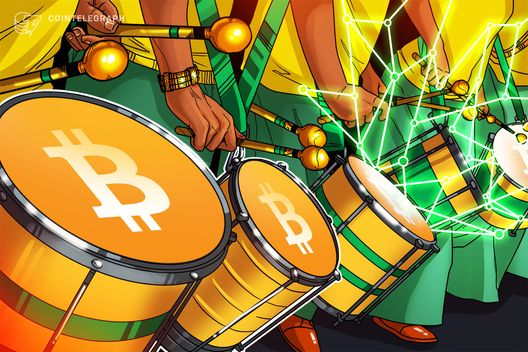
In a world increasingly shaped by digital transformation, a remarkable initiative from Brazil is poised to bridge the perceived chasm between the cold, hard data of cryptocurrency markets and the profound emotional resonance of classical music. News recently surfaced that a Brazilian live orchestra has received approval to transform real-time Bitcoin price movements into musical compositions, with tax-deductible funding secured under the nation’s cultural incentive laws. This isn’t merely a curious experiment; it’s a profound cultural statement, signaling a sophisticated evolution in how society perceives, interacts with, and ultimately integrates digital assets into its broader tapestry.
At its core, this project aims to create an auditory experience of Bitcoin’s famously volatile journey. While the exact methodology remains to be fully unveiled, one can imagine a sophisticated algorithm mapping various market parameters to musical elements. Price surges might translate into crescendoing harmonies, while sharp drops could manifest as dissonant chords or sudden shifts in tempo. Trading volume could dictate the density of the orchestra, with high activity leading to a full, rich sound and quieter periods represented by more sparse arrangements. Volatility, often a source of anxiety for investors, could become the very engine of musical dynamism, creating a symphony of market ebb and flow.
Brazil’s role in this endeavor is particularly significant. As a nation that has consistently shown a robust appetite for cryptocurrency adoption – ranking high globally in terms of ownership and transaction volumes – its embrace of Bitcoin extends beyond mere financial speculation. The fact that this project secured funding under cultural incentive laws underscores a burgeoning institutional recognition of digital assets not just as financial instruments, but as phenomena worthy of artistic and cultural exploration. This governmental endorsement, albeit indirect, lends an air of legitimacy and public acceptance to Bitcoin, far beyond what typical financial news or tech articles can achieve.
For the cryptocurrency ecosystem, the implications are vast and multifaceted. Firstly, this initiative serves as a powerful tool for mainstreaming Bitcoin. By presenting its underlying data in an accessible, aesthetically pleasing format, it bypasses the intimidating jargon of blockchain technology, cryptography, and complex economic models. People who might never engage with a whitepaper or a technical chart could find themselves captivated by a performance that translates market dynamics into a relatable sensory experience. This demystification is crucial for fostering broader understanding and dispelling lingering misconceptions about digital currencies.
Secondly, it humanizes volatility. Often framed as a negative, Bitcoin’s price swings are an inherent characteristic of its emergent market. By rendering these fluctuations as musical expression, the project invites audiences to perceive them not as inherent risk, but as a dynamic, living pulse. This artistic reframing could shift public perception, encouraging a more nuanced understanding of market behavior and perhaps even fostering a sense of wonder at the intricate dance of supply and demand playing out in real-time.
From a Senior Crypto Analyst’s perspective, while such an initiative does not directly impact Bitcoin’s price or fundamental utility, its contribution to positive sentiment and brand building is invaluable. Increased understanding, coupled with cultural acceptance, lays the groundwork for wider adoption. When a digital asset transcends its purely financial function and becomes a muse for artistic expression, it solidifies its place in the cultural zeitgeist. This makes Bitcoin not just a speculative asset, but a data stream, a source of inspiration, and a symbol of technological progress capable of interacting with traditional art forms.
The project also highlights a growing trend of convergence between art and technology. We’ve seen generative art fueled by AI, NFTs transforming digital ownership, and immersive experiences built on virtual reality. Turning real-time financial data into live music is another sophisticated layer to this evolving relationship. It demonstrates the boundless potential when disparate fields intersect, creating novel forms of expression and engagement that challenge our conventional understanding of both art and finance.
Of course, the artistic challenge will be immense. Can the ‘music’ truly be harmonious, or will it be a cacophony mirroring market chaos? The success of the project will hinge on the composer’s ability to create a compelling, listenable piece that conveys the essence of Bitcoin’s movements without sacrificing musicality. The live performance in the federal capital will be a critical test, determining if the symphony of Satoshis can truly resonate with a diverse audience.
In conclusion, Brazil’s audacious project to turn Bitcoin price movements into live orchestral music is more than just an artistic novelty. It is a bold cultural leap, a strategic move to integrate digital assets into the public consciousness through the universal language of music. By securing governmental backing and mainstream appeal, it sets a powerful precedent for how nations can creatively engage with emerging technologies. This initiative underscores Bitcoin’s journey from niche technology to a ubiquitous cultural phenomenon, proving that the future of finance might just sound like a beautiful, ever-evolving symphony.