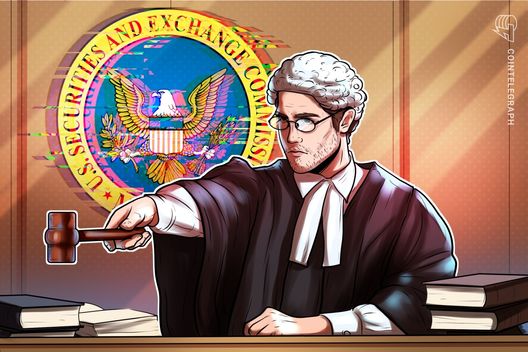
The lingering shadow of the FTX collapse continues to cast a long pall over the crypto industry, but recent developments signal a determined push towards accountability. In a significant move, the U.S. Securities and Exchange Commission (SEC) has officially confirmed the imposition of years-long officer-and-director bans on former executives of Alameda Research and FTX, most notably Caroline Ellison. This action marks a critical juncture, not only in the ongoing legal saga but also in the broader narrative of regulatory enforcement and investor protection within the digital asset space.
The catastrophic implosion of FTX and its sister trading firm, Alameda Research, in November 2022, sent shockwaves through the global financial markets, obliterating billions in customer funds and shattering trust in what was once considered a leading crypto exchange. At the heart of the alleged multi-billion dollar fraud was Sam Bankman-Fried (SBF), the founder, supported by a close-knit circle of executives, including Alameda CEO Caroline Ellison. Ellison, who later pleaded guilty to federal fraud charges, admitted to her role in diverting FTX customer funds to Alameda, making misleading statements to lenders, and manipulating financial records at SBF’s direction. Her cooperation with prosecutors has been a central element in the government’s case against Bankman-Fried.
The SEC’s confirmation of Ellison’s 10-year officer-and-director bar is a potent signal. Such a ban prevents an individual from serving as an officer or director of any public company registered with the SEC for the specified period. For Ellison, this means a decade-long professional exile from leadership positions in public firms, effectively sidelining her from any significant corporate influence in traditional finance or regulated crypto entities. While the SEC’s announcement explicitly details Ellison’s consented ban, it hints at similar actions against other former executives who have also cooperated, such as Gary Wang and Nishad Singh, underscoring a coordinated approach to holding key figures responsible. This measure is not merely punitive; it’s a preventative mechanism designed to safeguard future investors from individuals deemed to have demonstrated a profound disregard for corporate governance and fiduciary duties.
### Implications and Analysis: Reshaping Crypto’s Governance Landscape
**1. A Milestone in Accountability:**
The officer-and-director ban for Ellison represents a tangible victory for the principles of accountability. For victims of the FTX collapse, it offers a measure of justice, demonstrating that the architects of such schemes will face severe professional consequences, even if they cooperate with authorities. It distinguishes between criminal punishment (which Ellison also faces) and professional disqualification, ensuring that individuals who compromise public trust cannot easily re-enter positions of power. This is crucial for an industry often criticized for its “move fast and break things” ethos, where regulatory oversight sometimes lagged innovation.
**2. A Resounding Regulatory Signal:**
This action sends an unequivocal message to the entire crypto ecosystem: the SEC is watching, and it will enforce existing securities laws where applicable. The notion that crypto operates in a lawless void is increasingly being dismantled by such enforcement actions. Executives in crypto companies, particularly those dealing with customer assets or offering tokenized securities, are now on clearer notice that they are subject to the same standards of corporate governance, transparency, and fiduciary responsibility as their counterparts in traditional finance. This strengthens the argument for robust internal controls, independent boards, and rigorous financial reporting within crypto firms.
**3. The Cooperation Conundrum and SBF’s Trial:**
Ellison’s consent to the bar is undoubtedly linked to her plea agreement and ongoing cooperation with federal prosecutors. This raises critical questions about the dynamics of the broader legal strategy against Sam Bankman-Fried. Her testimony, likely damning for SBF, gains further weight when viewed alongside the professional consequences she is willing to accept. It underscores the severity of the charges and the pressure on co-conspirators to aid the prosecution. As SBF’s legal battles continue, the public spotlight will remain on how Ellison’s admissions and her professional ban influence the narrative and potential outcomes for others involved.
**4. Rebuilding Trust and Maturing the Market:**
While individual bans do not directly impact crypto prices, their long-term effect on market sentiment and institutional adoption cannot be overstated. The FTX saga severely eroded investor confidence, and consistent, fair enforcement is a prerequisite for its restoration. By demonstrating that misconduct leads to serious professional repercussions, the SEC contributes to the maturation of the crypto market. It helps differentiate legitimate, well-governed enterprises from those prone to speculative excess and fraud, paving the way for more responsible innovation and greater mainstream acceptance.
**5. Gaps and Future Regulatory Landscape:**
Despite these decisive actions, the regulatory framework for crypto remains fragmented and complex. The SEC’s actions, while powerful within their jurisdiction, highlight the ongoing need for clearer, comprehensive legislation that addresses the unique characteristics of digital assets. Questions about appropriate classification of tokens, custodial responsibilities, and cross-border regulatory harmonization persist. This latest development adds impetus to these debates, urging policymakers to accelerate efforts to create a regulatory environment that fosters innovation while rigorously protecting consumers and market integrity. The message is clear: self-regulation is insufficient, and a more defined external framework is inevitable.
### Conclusion
The SEC’s confirmation of a director ban for Caroline Ellison is more than just another headline in the FTX saga; it is a significant marker in the ongoing evolution of crypto regulation. It underscores a shift towards tangible accountability for executive misconduct, sending a clear message that the digital asset space is not immune to established financial laws. While the wounds from the FTX collapse are still fresh, such decisive regulatory actions are crucial steps towards rebuilding trust, instilling greater discipline within the industry, and ultimately, securing a more transparent and resilient future for cryptocurrency. The long and arduous journey towards fully restoring faith in crypto governance continues, but these bans represent a firm stride in the right direction.