Introduction: A Fiduciary Warning from Labor
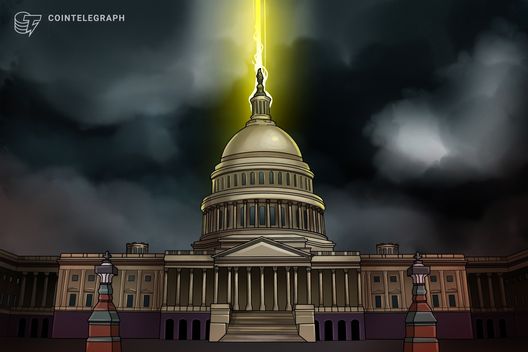
The burgeoning digital asset ecosystem, while promising innovation and significant returns, continues to grapple with foundational challenges in its market structure and regulatory oversight. A recent development underscores this tension: a prominent teachers union has formally expressed its opposition to a proposed digital asset market structure bill before the U.S. Senate Banking Committee. This move, echoing concerns from other influential labor groups, signals a significant hurdle for legislative efforts to integrate crypto into mainstream finance and raises critical questions about the suitability of current crypto market frameworks for institutional capital, particularly pension and retirement funds. For serious investors, this signals a deepening regulatory debate that could materially impact the trajectory of the crypto market and its eventual maturity.
The Core of Labor’s Concerns: Systemic Risk to Pension Funds
The opposition from labor unions, representing millions of workers and their retirement savings, is rooted in a fundamental fiduciary duty: to protect and grow pension assets with prudent risk management. Their concerns about the existing or proposed digital asset market structure are multifaceted. At the forefront is the inherent volatility of many cryptocurrencies, which, even as an increasingly accepted asset class, presents a stark contrast to the stable, long-term growth profiles typically sought by pension funds. Beyond price fluctuations, unions highlight what they perceive as structural deficiencies: a lack of robust investor protections akin to those in traditional securities markets, ambiguities in asset custody, and susceptibility to market manipulation. The commingling of functions—where a single entity might act as an exchange, broker, and custodian—raises red flags about conflicts of interest and the absence of clear separation of duties, a cornerstone of traditional financial regulation designed to mitigate systemic risk. Furthermore, the nascent and often fragmented regulatory framework creates an environment where consumer protections, disclosure requirements, and market integrity rules are still evolving, leaving pension fund managers wary of exposing their beneficiaries’ savings to undue risk.
Navigating the Digital Asset Market Structure Bill
The specific digital asset market structure bill targeted by the union’s letter generally aims to provide greater regulatory clarity, often by delineating jurisdiction between the Commodity Futures Trading Commission (CFTC) and the Securities and Exchange Commission (SEC), establishing rules for stablecoins, and setting standards for crypto exchanges and custodians. The unified opposition from labor groups suggests that these legislative efforts, in their current form, are perceived as insufficient to address the deep-seated concerns regarding investor protection and market integrity. Such widespread labor opposition could significantly impede the bill’s progress, forcing lawmakers to reconsider its provisions or even table it indefinitely. This scenario highlights the delicate balance Congress must strike: fostering innovation in a rapidly evolving technological space versus ensuring the robust consumer and investor protections that underpin the stability of the traditional financial system. For investors, the legislative uncertainty created by this resistance translates into continued regulatory ambiguity, potentially prolonging the period before institutional capital, particularly from risk-averse entities like pension funds, can comfortably enter the crypto market.
Implications for Institutional Adoption and Crypto Market Maturation
The resistance from labor unions sends a clear message about the perceived readiness of the crypto market for widespread institutional adoption, especially from pension funds. These funds represent trillions of dollars in assets, and their cautious approach is a bellwether for broader institutional sentiment. If major institutional capital remains wary due to unaddressed market structure risks, it places a significant constraint on crypto’s long-term growth and stability. The “chicken and egg” problem persists: institutional investors demand regulatory clarity and safety, but comprehensive regulation is slow to materialize, partly due to ongoing concerns from powerful stakeholders like labor unions. This dynamic underscores the crypto industry’s urgent need to evolve beyond its initial disruptive phase and build infrastructure that meets the stringent compliance, security, and governance standards of traditional finance. Failure to adequately address these concerns could relegate crypto to a more niche investment class, delaying its full integration into global financial markets and limiting its potential as a truly transformative asset.
A Broader Regulatory Landscape and Future Outlook
The U.S. regulatory environment for digital assets is a complex mosaic of competing jurisdictions, legislative proposals, and executive directives. The concerns voiced by labor unions are not isolated; they mirror reservations expressed by some consumer protection advocates, financial stability watchdogs, and even some international regulators grappling with similar issues. This confluence of opinion suggests that any future digital asset market structure legislation will need to be far more comprehensive and robust in its investor protection provisions to gain widespread political and public support. For serious investors, this indicates a protracted period of regulatory evolution, marked by incremental changes rather than rapid, sweeping legislation. The long-term outlook will likely involve continued pressure on the crypto industry to enhance transparency, segregate customer funds, mitigate conflicts of interest, and implement sophisticated risk management frameworks. Those digital asset firms that proactively embrace and exceed these evolving standards will be best positioned to attract institutional capital and thrive in a more regulated future, offering a clearer pathway for crypto’s eventual integration into the global financial mainstream.