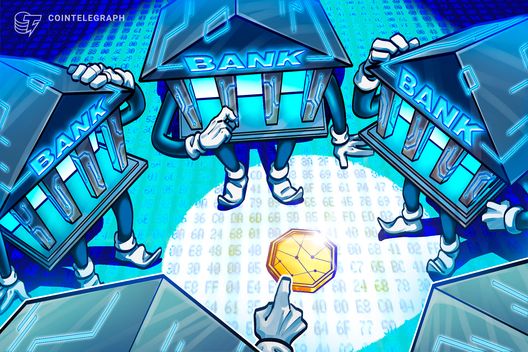
The landscape of digital assets is undergoing a profound transformation, with recent guidance from a leading U.S. bank regulator marking a pivotal moment. The confirmation that facilitating customer crypto trades falls squarely within the “business of banking” is not merely an incremental policy update; it represents a fundamental recalibration of how traditional finance (TradFi) can engage with the nascent, yet rapidly maturing, cryptocurrency ecosystem. For serious investors, this development signals a significant step towards greater institutional integration and mainstream adoption, ushering in both new opportunities and complex considerations.
A Pivotal Regulatory Shift
The guidance, while succinct in its core assertion, carries immense weight. By explicitly stating that national banks are cleared to facilitate customer crypto transactions under existing law, the regulator has effectively broadened the permissible scope of activities for these institutions. This isn’t the creation of new legislation but rather an authoritative interpretation of what constitutes the “business of banking” in the 21st century. Historically, regulators have approached crypto with a cautious, sometimes ambiguous, stance, often issuing advisories that highlighted risks without providing clear pathways for engagement. This latest guidance, however, unequivocally provides national banks with the regulatory certainty needed to explore, develop, and deploy crypto-related services. It acknowledges the growing demand from bank customers for exposure to digital assets and validates the underlying technology as a legitimate component of the financial system. This clarity is paramount for risk-averse institutions that operate under stringent oversight and require explicit regulatory approval before venturing into novel areas.
Implications for National Banks and Traditional Finance
For national banks, this guidance unlocks a significant new frontier of potential revenue streams and competitive advantages. They are now empowered to offer a suite of services, including custody, transaction facilitation, and potentially even more sophisticated financial products built on digital assets. This move positions them to reclaim market share from crypto-native exchanges and fintech companies that have thus far dominated the space. Banks bring to the table unparalleled experience in risk management, compliance, and client relations, which are critical for attracting institutional investors and high-net-worth individuals seeking regulated, secure avenues for crypto exposure. However, the path ahead is not without its challenges. Integrating blockchain technology into legacy banking systems, developing robust cybersecurity protocols for digital assets, and training personnel with specialized crypto expertise will require substantial investment and strategic planning. Banks will also need to navigate the complexities of anti-money laundering (AML) and know-your-customer (KNC) regulations within the often pseudonymous world of cryptocurrencies, albeit with the advantage of their established compliance frameworks.
Impact on the Cryptocurrency Ecosystem
The ramifications for the broader cryptocurrency ecosystem are profound. This regulatory endorsement acts as a powerful legitimizing force, bolstering confidence in digital assets among a wider pool of traditional investors who have been hesitant due to perceived regulatory uncertainty or volatility. Increased participation from national banks promises to enhance market liquidity and depth, potentially reducing price volatility over the long term as more institutional capital flows into the space. Furthermore, the integration of traditional banking infrastructure could significantly improve the “on-ramp” and “off-ramp” processes for converting fiat currency to crypto and vice-versa, making it more accessible and less cumbersome for the average user. This move could also spur innovation within the crypto industry itself, as projects and protocols may now seek to align more closely with banking standards to facilitate partnerships and adoption. While this heralds an era of greater adoption, it also implies increased regulatory scrutiny and potentially tighter oversight for the crypto services offered through regulated entities. This balance between innovation and regulation will be a key dynamic to monitor.
Strategic Considerations for Serious Investors
For serious investors, the evolving regulatory landscape presents both opportunities and necessitates careful strategic adjustments. The ability to engage with crypto through established, regulated banking channels significantly reduces counterparty risk and provides a level of legal recourse and insurance typically absent in dealings with many crypto-native platforms. This could make digital assets a more palatable option for portfolio diversification, allowing for exposure to a high-growth asset class within a familiar and trusted financial framework. Investors should monitor which national banks are first to market with robust offerings and evaluate their specific services, fee structures, and underlying security measures. Furthermore, this development underscores the long-term viability of digital assets as a recognized asset class, warranting a deeper analytical approach to their inclusion in diversified portfolios. However, investors must remain cognizant that while the regulatory environment is clarifying, market volatility inherent to crypto assets persists. Diligence in understanding the underlying technologies, project fundamentals, and the evolving global regulatory patchwork remains crucial. The entry of national banks doesn’t eliminate risk, but rather channels it through more conventional, albeit new-to-crypto, risk management protocols.
Looking Ahead: The Path to Full Integration
This guidance is undoubtedly a landmark, but it is by no means the final word in crypto regulation. It is one critical step in a longer journey toward comprehensive integration of digital assets into the global financial system. We can anticipate further regulatory developments, potentially encompassing areas like stablecoins, decentralized finance (DeFi), and tokenized securities. The interaction between federal and state regulations, as well as the harmonization of international standards, will also continue to shape the trajectory of crypto adoption. As national banks begin to operationalize this guidance, their experiences will provide valuable feedback that could inform future policy. For investors, staying abreast of these ongoing developments and understanding the nuances of how traditional finance and crypto converge will be essential for navigating this dynamic and increasingly integrated financial future.